The lovebird is proof that fearlessness comes in small packages. Barely bigger than a budgie, it carries the attitude of a bird ten times its size — bold, busy, devoted, and not the least bit shy about defending what it considers its own. Boarding a lovebird well means respecting that fierce little character: honouring the bond it has with its mate, reading its territorial streak, and keeping its quick body warm and its quick mind occupied. That's the stay we build at our Woodbridge bird room.
Lovebirds earn their name from the intense, lifelong bonds they form — most famously with a mate, but just as strongly with a person when they're kept singly. That devotion is the heart of the species and the thing a boarding stay has to protect. A bonded pair must never be split, even for a few days; the stress of separation hits a lovebird far harder than the change of address ever could. A solo lovebird, meanwhile, leans hard on its human, and feeling cut off from that bond is its biggest source of upset away from home.
The other half of the lovebird is its temperament. These are confident, territorial little birds that guard their cage with real conviction, and a hand reaching carelessly into a lovebird's space can expect a sharp opinion delivered by a surprisingly strong beak. None of that is aggression for its own sake — it's a small bird taking its home seriously. We handle lovebirds on their terms, working with the territorial instinct rather than against it, and that respect is what earns their trust.
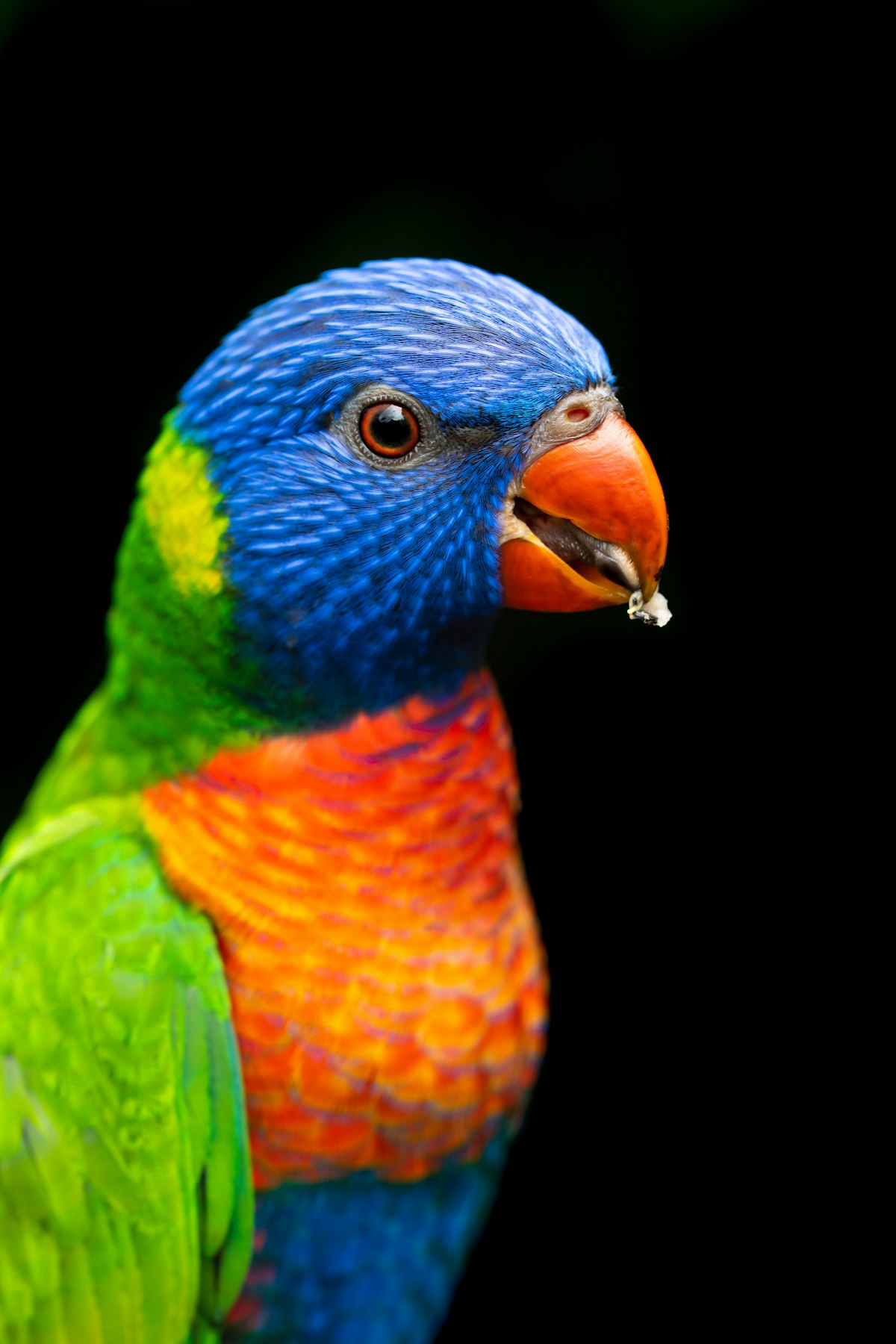
A lovebird's stay turns on a few species essentials: protect the bond, respect the territory, hold the warmth, and keep that beak busy.
Whatever else changes, the bond stays intact. A bonded pair shares one cage for the whole stay — we'd reorganise the entire room before separating two lovebirds that preen and feed each other. For a single lovebird attached to its person, we step into that gap with steady, gentle company so the bird never feels it's been left entirely on its own.
Lovebirds defend their cage with conviction, and we don't take it personally. Rather than barging into a lovebird's space, our handlers move calmly, let the bird come forward on its own terms, and do cage maintenance in a way that doesn't feel like an invasion. Work with the territorial streak and a lovebird settles; fight it and you get a fortress with a beak.
A lovebird's small body loses heat fast, and a draft is its enemy. Cages sit away from doors, windows, and vents, and the room is held at a steady, comfortable temperature. Through a Vaughan winter we keep a close eye out for the puffed-up, hunched posture of a chilly bird and add gentle warmth before a cold snap becomes a real problem.
Lovebirds are tireless chewers and famous nest-builders — they'll shred paper into strips and tuck it into their feathers if you let them. We channel all that industry into safe shreddables, foraging toys, soft wood, and fresh palm or willow to dismantle, rotating things so the work stays interesting. A lovebird with a job to do is a calm, contented lovebird.
Left to choose, a lovebird will live on seed and skip the good stuff, and the weight follows. We stick to your diet sheet while keeping the balance right: a quality pellet base, fresh greens and vegetables, a little fruit, and seed treated as a treat. Cuttlebone or a mineral source stays within reach, and we keep an eye on how much each bird is actually eating.
A bird this small can slide from off-colour to seriously unwell inside a day, and lovebirds hide trouble well. We look in many times daily — droppings, appetite, posture, the brightness of the eye, the usual busy energy — and weigh longer-stay birds to catch any quiet decline. Anything that seems off triggers a prompt call to you and, if it's warranted, to your avian vet.
For all its bravado, a lovebird settles fastest when the world around it feels familiar. Sending your bird's own cage along is the single most reassuring thing you can do — to a territorial little parrot, its own bars and its own arrangement of toys are home, and keeping that intact takes most of the stress out of the move. A bonded pair simply carries on with their routine in new surroundings, which is exactly what we want.
A couple of favourite toys that smell of home, and a short note on your lovebird's quirks, help us slot in smoothly: whether it's a pair or a single, how it feels about hands, the treat it would shred the cage for, and any spots it guards fiercely. Plenty of Vaughan owners bring their lovebird by for a quick look around first; a bird that's already sized up the room once tends to march back in the second time entirely unbothered, which is very much the lovebird way.
No cage to send? We keep properly sized enclosures with narrow, lovebird-safe bar spacing and plenty to chew on hand.
Boarding a different bird, or want the full picture before you book? Start here.
Tiny, social, and quick to chill — how we keep boarding budgies warm, busy, and in good company in Vaughan.
Gentle, whistly, and prone to night frights — how we keep boarding cockatiels calm and settled in Vaughan.
Daily sitting, overnight stays, and extended boarding — the full menu of care options for Vaughan bird owners.
Keeping a small, warmth-loving bird healthy through a cold, dry Vaughan winter — drafts, humidity, and daylight.
Local, convenient bird sitting and boarding for owners in Maple and the surrounding Vaughan neighbourhoods.
