Cockatiels are the gentle softies of the parrot world — affectionate, whistly, and far more sensitive than their easygoing reputation lets on. The thing that catches most owners out is the night fright: a startled cockatiel thrashing in the dark. Our Woodbridge bird room is set up around keeping the days calm and the nights genuinely peaceful.
A cockatiel reads the room. Raised voices, an unfamiliar smell, a sudden shadow at the window — they clock all of it, and a bird that feels uneasy goes quiet, stops eating, or starts barbering its own feathers. Boarding a cockatiel well is less about fancy equipment and more about a calm, predictable atmosphere where nothing jumps out at them.
Two cockatiel quirks shape how we run their stay. First, the night fright: cockatiels panic in total darkness and can hurt themselves flailing against the bars, so a low night light and a quiet sleeping spot aren't optional extras for us. Second, their feather dust — cockatiels are a powder-down species, and we keep the air clean so both the birds and our other guests breathe easy.
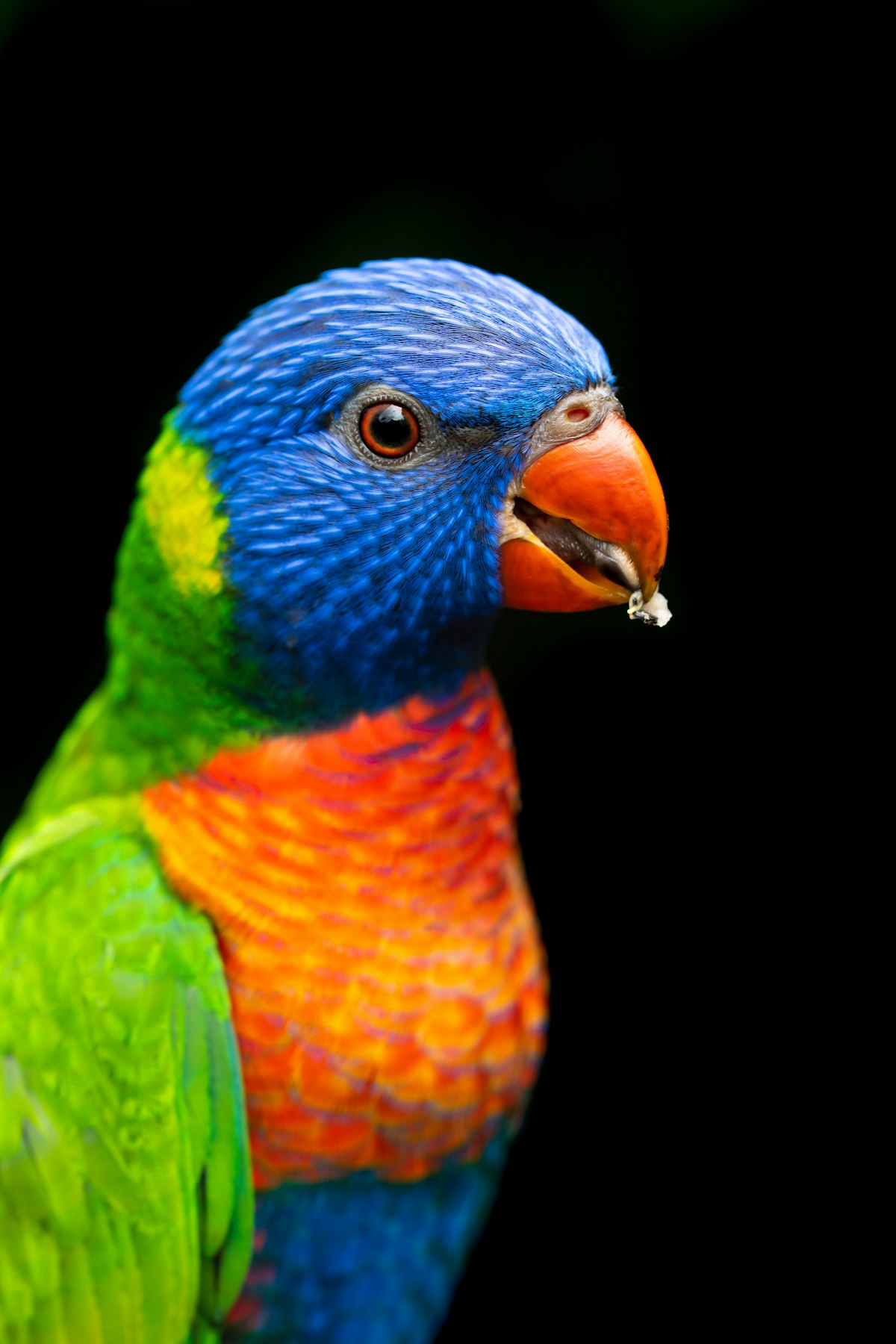
The cockatiel stay is built around calm — calm days, calm nights, and the steady company these gentle birds quietly depend on.
Night frights are the cockatiel's biggest hazard, and we plan for them. A dim night light keeps the sleeping area from going pitch black, the cage sits somewhere quiet and away from sudden headlights or shadows, and bedtime lands at the same hour each evening. The aim is a bird that sleeps through, not one that wakes the household in a panic.
Cockatiels bond hard and miss their people. We fill some of that gap with regular, unhurried company — whistling their tunes back to them, soft talk, and head scratches for the birds that ask. We move slowly and quietly around them, because a cockatiel that trusts the room relaxes far faster than one that's bracing for the next surprise.
Left alone, a cockatiel will live on millet and sunflower seed and pile on fatty weight. We follow your diet sheet while keeping the balance honest: a pellet or measured seed base, fresh greens and veg, and seed treats earned rather than handed out. Cuttlebone or a mineral block stays available, and we track exactly what's being eaten.
Cockatiels throw off fine powder-down dust as they preen — it's normal and healthy, but it needs managing. Air filtration runs in the bird room to keep that dust down, which protects respiratory health for your cockatiel and every other bird boarding alongside it. Regular bathing or misting also helps keep feathers and dust in good order.
A bored cockatiel turns to feather plucking, so we keep things engaging without overwhelming them: foraging toys, shreddables, a few favourite chew items, and supervised out-of-cage time for the tame, confident birds. Music and gentle ambient sound suit them — many a boarding cockatiel happily whistles along to the radio.
A stressed or unwell cockatiel tells you in small ways — a hiss and crest-up, a dropped appetite, sitting low and fluffed. We check each bird through the day for those cues, weigh longer-stay guests, and keep an eye on droppings and energy. If anything reads wrong, you hear about it, and we loop in your avian vet when it's warranted.
Cockatiels are creatures of habit, and the fastest way to settle one is to bring its habits with it. Their own cage matters enormously — the familiar perch, the toy that's always hung in the same spot, the cover that means "goodnight." We'd much rather host your bird in its own setup than ask a sensitive bird to adjust to ours.
Tell us the small things and we can keep your cockatiel's day recognisably its own: the whistle that gets a whistle back, the treat that earns instant forgiveness, whether lights out is 8 or 10. A short trial visit works wonders here — Vaughan owners who bring their cockatiel by for an afternoon first nearly always find the real stay goes smoothly, because the room is no longer a stranger.
If your own cage can't travel, we have suitable cockatiel enclosures ready to go.
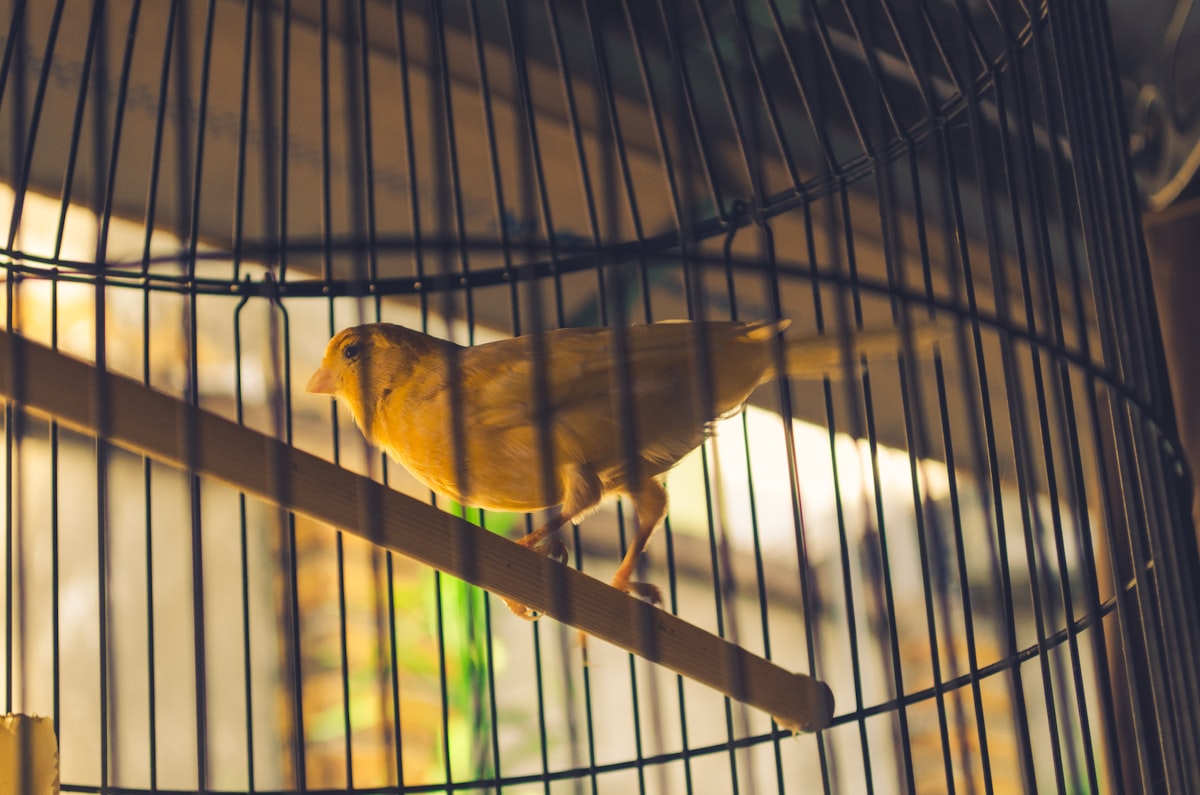
Got more than one kind of bird, or want the full picture first? These are good next reads.
Tiny, social, and quick to chill — how we keep boarding budgies warm, busy, and in good company in Vaughan.
Brilliant, sensitive, and easily bored — our approach to boarding one of the most demanding parrots there is.
Daily sitting, overnight stays, and extended boarding — the full menu of care options for Vaughan bird owners.
Keeping a sensitive bird healthy through a cold, dry Vaughan winter — drafts, humidity, and daylight.
Woodbridge, Kleinburg, Maple, Concord and the rest of Vaughan — see whether your neighbourhood is on our list.
