The African grey is the great intellect of the parrot world — a bird with the reasoning of a young child and the emotional radar to match. That brilliance is exactly what makes boarding one tricky: a grey that's under-stimulated or unsettled doesn't sulk quietly, it plucks. Our Woodbridge bird room is run by people who understand what this remarkable parrot actually needs.
African greys are famously clever and just as famously sensitive. They form strong, lasting attachments, they thrive on routine, and they are acutely tuned to the mood of the people around them. Drop a grey into a chaotic, unpredictable, or under-occupied environment and the stress shows up fast — as screaming, as a refusal to eat, and most often as feather plucking that can be hard to reverse.
So we treat a grey's stay as a thinking bird's stay. The day has a recognisable shape to it, the enrichment genuinely challenges that big brain rather than just filling the cage, and we read the bird's body language closely — greys telegraph unease long before they pull a feather. We've found that a grey given real mental work and a calm, dependable routine doesn't just cope with boarding; it stays engaged and content throughout.
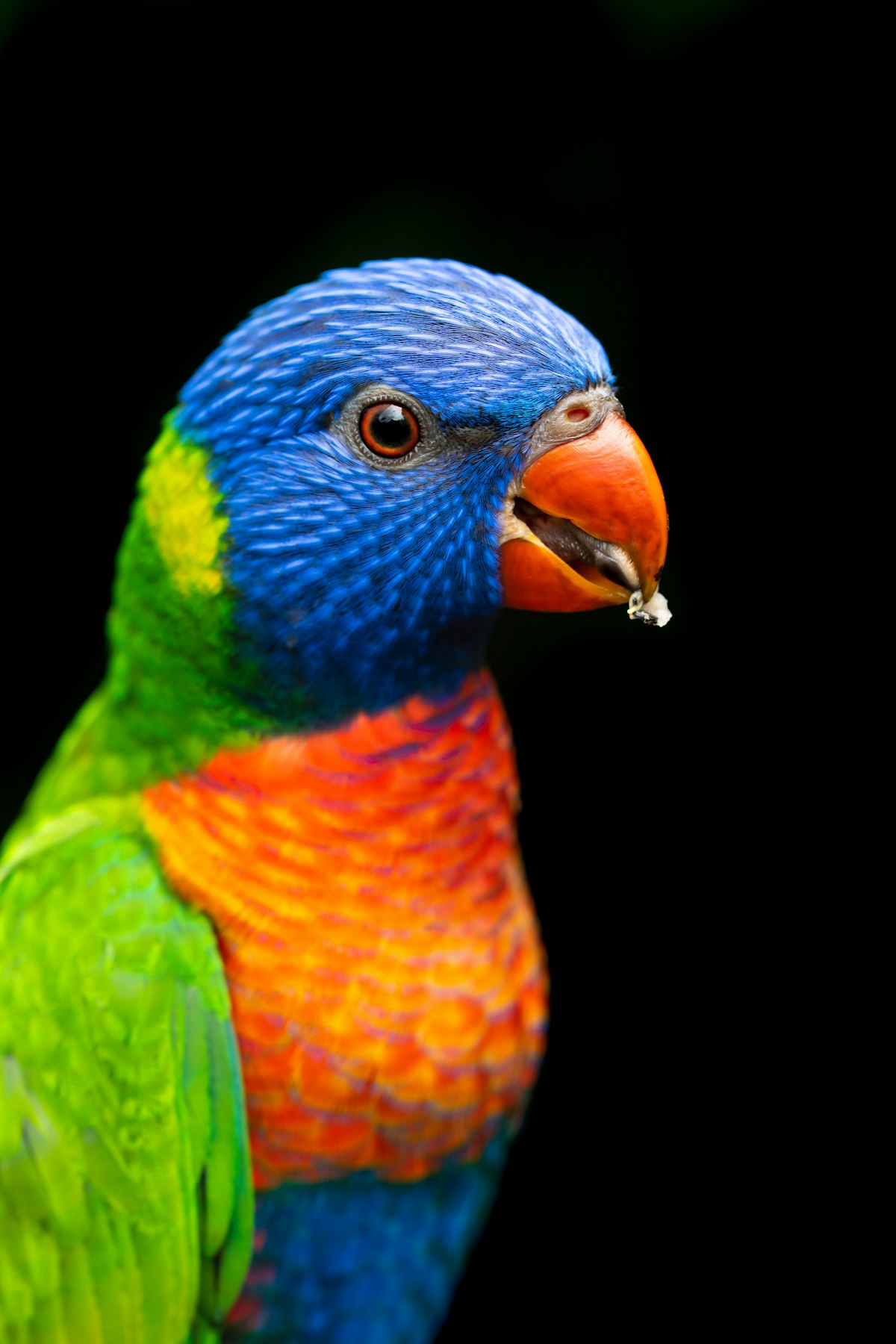
Boarding a grey well comes down to engaging the mind, holding the routine steady, and respecting a sensitive bird's pace.
A grey solves the easy puzzle in minutes and goes looking for trouble if that's all you offer. We give them layered foraging — food they have to work for, puzzle feeders, lidded boxes, things to unscrew and unwrap — and rotate it so the challenge stays fresh. For greys that know their tricks, short positive training sessions are some of the best enrichment there is.
Greys take huge comfort from predictability. Meals, play, quiet time, and bedtime land at consistent hours, and we try to mirror the rhythm your bird already knows. A grey that can predict what comes next relaxes; one that can't stays braced. That dependable shape to the day is one of the most powerful anti-stress tools we have.
African greys are prone to low blood calcium and to vitamin-A deficiency, so their plate matters more than most. We follow your diet sheet while leaning into calcium- and vitamin-A-rich foods — dark leafy greens, sweet potato, peppers, and the like — alongside a quality pellet base. We go easy on all-seed diets and keep cuttlebone or a calcium source available.
Plucking is the grey's stress response, and once it starts it's stubborn. We watch for the precursors — a bird going quiet, over-preening, picking at one spot, off its food — and act on them early with more enrichment, more reassurance, and a calmer setting. Prevention is the entire game with this species, and we treat it that way.
Greys are slow to trust strangers and quick to resent being pushed. We let your bird set the pace — offering company, conversation, and out-of-cage time when they're ready for it, never forcing a hand on a wary parrot. A grey that learns the new people are calm and respectful will usually come around within a day or two.
We track appetite, droppings, weight, and feather condition daily, and we know what's normal for a grey versus what's a warning. Because they hide illness like all parrots, we look for the subtle shifts — a quieter bird, a half-eaten breakfast, a change in posture. Anything off goes to you promptly, and to your avian vet when it's warranted.
The grey's first day away is the one to get right, because this is a bird that remembers. The more of home you can send along, the better: their own cage and play stand, the foraging toys they already love, the food they expect to see in the morning. Familiar objects do a lot of quiet reassuring while your bird sizes up the new room and the new people.
Detail helps us enormously with greys. Tell us the routine — when they nap, when they're chattiest, what words mean what — and the things that comfort or unsettle them, and we can slot into your bird's world instead of imposing ours. A trial visit pays off more for greys than almost any species; Vaughan owners who let their grey scope out the room ahead of time give us a parrot that arrives curious rather than alarmed. For longer trips, we'll happily set up video calls so your grey can hear your voice.
No way to transport the cage? We keep large, secure parrot enclosures suitable for greys.
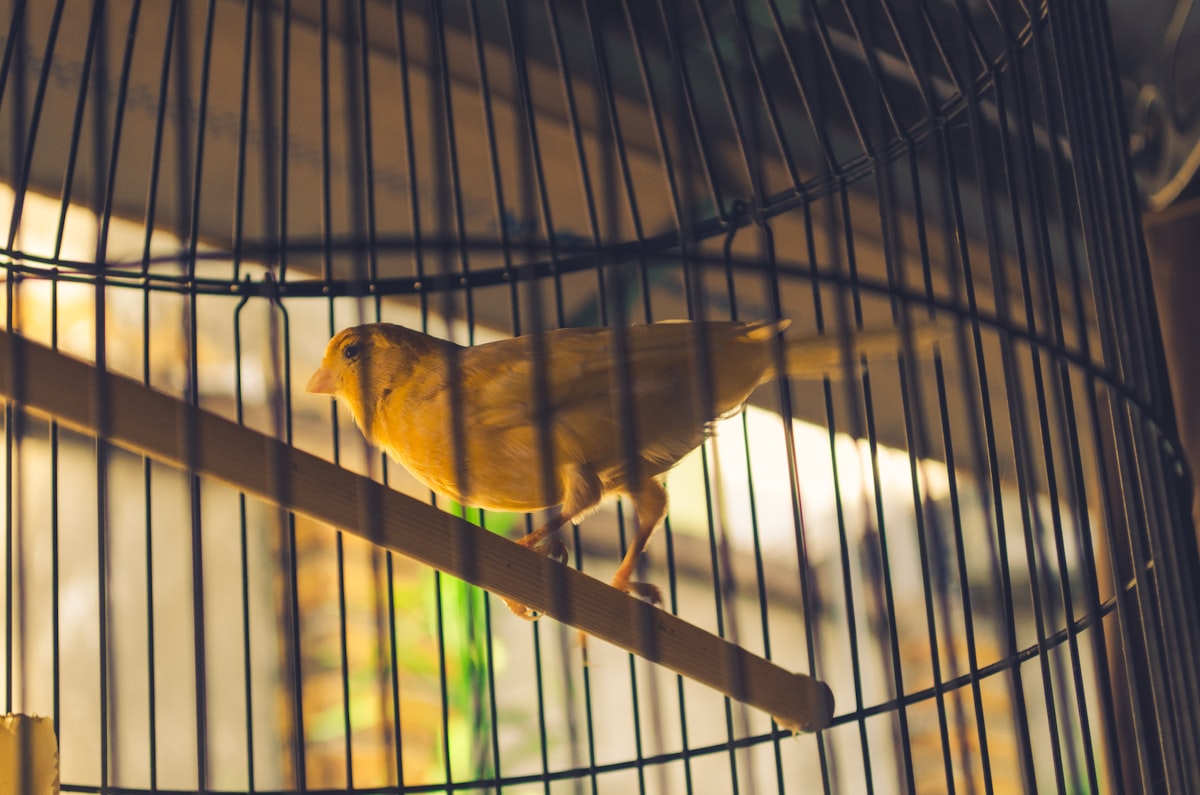
Boarding more than one bird, or want the full picture before you commit? Start here.
Greys, macaws, cockatoos, and Amazons — how we look after the big, demanding parrots most sitters won't take in Vaughan.
Gentle, whistly, and prone to night frights — how we keep boarding cockatiels calm and settled in Vaughan.
Tiny, social, and quick to chill — how we keep boarding budgies warm, busy, and in good company.
Daily sitting, overnight stays, and extended boarding — the full menu of care options for Vaughan bird owners.
Foraging, training, and DIY activities to keep a clever bird's mind busy — at our place and at home.
Woodbridge, Kleinburg, Maple, Concord and the rest of Vaughan — see whether your neighbourhood is on our list.
